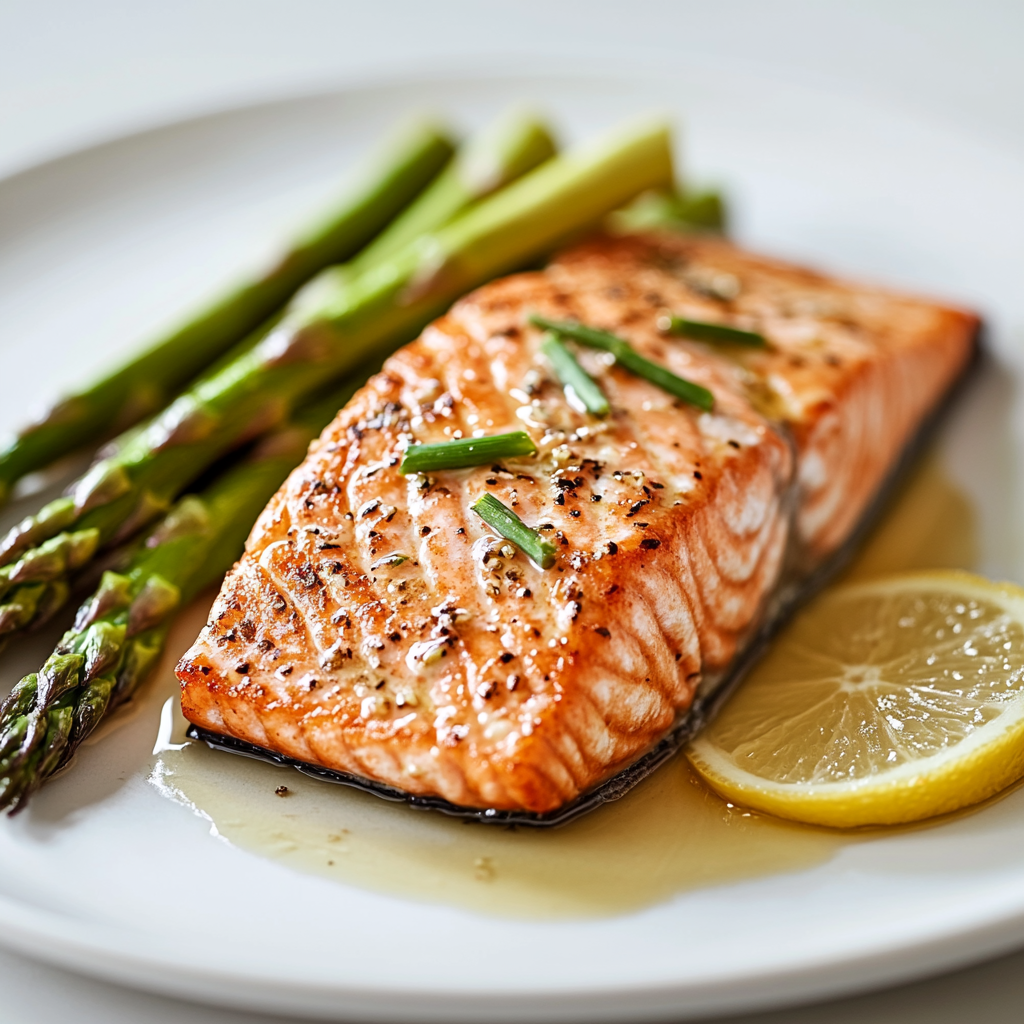
Baked Salmon with Asparagus
The aroma of baked salmon wafts through the kitchen, mingling with the earthy scent of asparagus, creating an irresistible culinary experience. When I make this dish, the sizzle of the salmon as it hits the hot oven rack is music to my ears, a promise of the flavors to come.
The combination of the tender, flaky salmon and the crunch of the asparagus, all tied together with a drizzle of lemon butter, is a symphony of textures and tastes that never fails to impress. It's a dish that's both elegant and effortless, perfect for a special occasion or a simple weeknight dinner.
Table of Contents
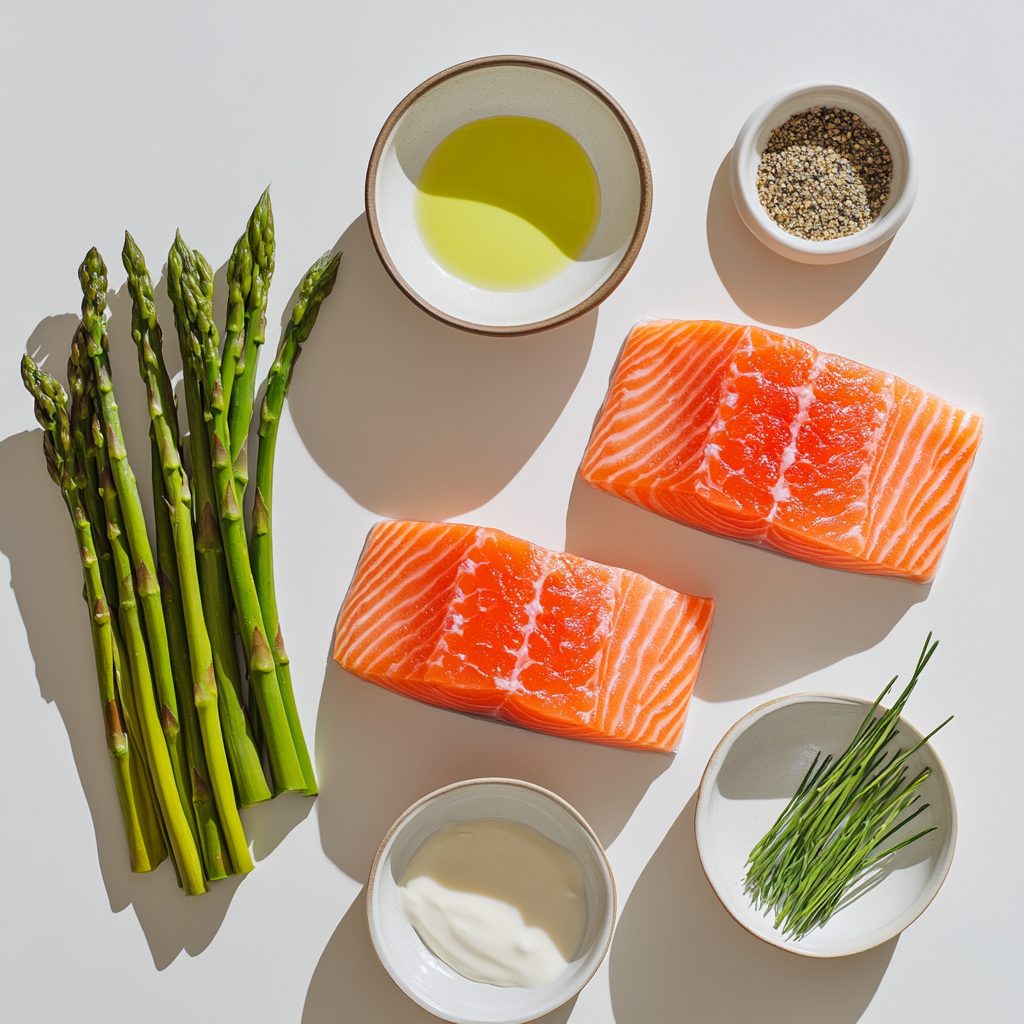
Ingredients for Baked Salmon with Asparagus
- 4 salmon fillets (6 oz each, skin removed)
- 1 pound fresh asparagus, trimmed
- 2 lemons, juiced
- 1/2 cup (1 stick) unsalted butter, softened
- 2 cloves garlic, minced
- 1 tsp dried thyme
- Salt and pepper, to taste
- 1/4 cup white wine (optional)
- 1/4 cup chicken broth
- 2 tbsp olive oil
Step-by-Step Instructions
- Preheat the oven to 400°F (200°C), ensuring it reaches the correct temperature before adding the salmon. Line a baking sheet with parchment paper or aluminum foil, leaving enough for a packet that can be sealed around the asparagus. Place the asparagus in the center of the prepared baking sheet, drizzle with 1 tablespoon of olive oil, season with salt and pepper, and sprinkle with minced garlic.
- Season the salmon fillets with salt, pepper, and dried thyme. Place the salmon on a separate baking sheet lined with parchment paper, leaving space between each fillet to ensure even cooking. Drizzle the tops with the remaining 1 tablespoon of olive oil.
- Combine the softened butter, lemon juice, white wine (if using), and chicken broth in a small saucepan. Heat the mixture over low heat, whisking occasionally, until the butter has melted and the sauce is warm and fragrant.
- Place the asparagus in the oven and roast for 12-15 minutes, or until tender. After the asparagus has roasted for 8 minutes, place the salmon in the oven. Bake for an additional 8-10 minutes, or until the salmon is cooked through and flakes easily with a fork. Serve the salmon atop the asparagus, spooning the lemon butter sauce over the top.
What to Serve with Baked Salmon with Asparagus
The delicate flavors of the baked salmon and asparagus call for sides that complement without overpowering. A simple quinoa or rice pilaf, flavored with herbs and a squeeze of lemon, provides a satisfying base for the dish. For a bit of crunch, a side of toasted almonds or a simple green salad with a light vinaigrette adds depth to the meal.
Storage and Serving Tips
To store leftovers, place the cooked salmon and asparagus in separate airtight containers and refrigerate for up to 2 days. Reheat the salmon gently in the oven or microwave until warmed through, and serve with the reheated asparagus and a side of your choice.
For longer storage, consider freezing the cooked salmon. Place the salmon in a freezer-safe bag or container, making sure to press out as much air as possible before sealing. Frozen salmon can be stored for up to 3 months. When ready to eat, thaw the salmon overnight in the refrigerator and reheat as desired.
Asparagus can also be frozen, but it's best to blanch it first to preserve its color and texture. Blanch the asparagus in boiling water for 3-5 minutes, then immediately plunge it into an ice bath to stop the cooking process. Once cooled, place the asparagus in a freezer-safe bag or container and store in the freezer for up to 8 months.
Conclusion
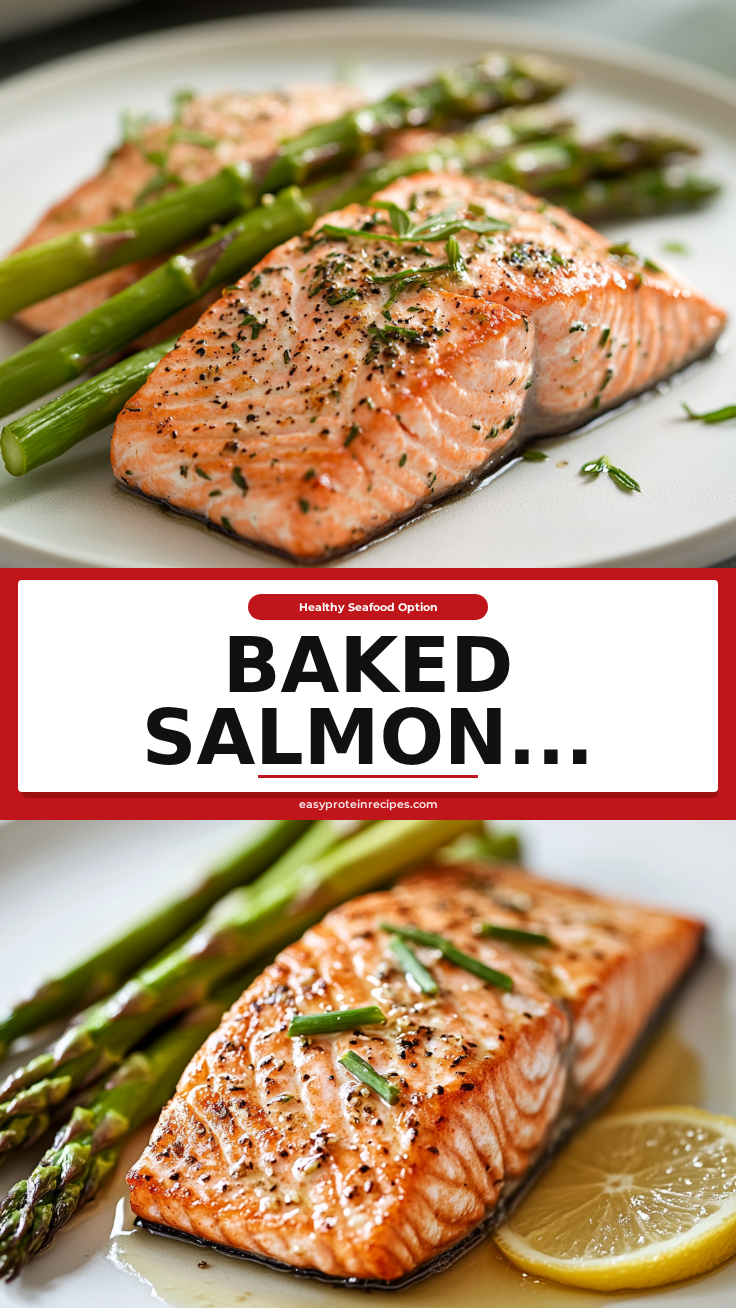
Baked Salmon with Asparagus
A flavorful and healthy dish featuring baked salmon and roasted asparagus, perfect for a special occasion or a weeknight dinner. The combination of tender salmon, crunchy asparagus, and a drizzle of lemon butter sauce creates a culinary experience that's both elegant and effortless.
📝 Ingredients
- 4 salmon fillets (6 oz each, skin removed)
- 1 pound fresh asparagus, trimmed
- 2 lemons, juiced
- 1/2 cup (1 stick) unsalted butter, softened
- 2 cloves garlic, minced
- 1 tsp dried thyme
- Salt and pepper, to taste
- 1/4 cup white wine (optional)
- 1/4 cup chicken broth
- 2 tbsp olive oil
🍳 Equipment
- Baking sheet
- Parchment paper or aluminum foil
- Saucepan
- Whisk
- Oven
👨🍳 Method
- Preheat the oven to 400°F (200°C) and prepare the asparagus and salmon for baking.
- Roast the asparagus in the oven for 12-15 minutes, or until tender.
- Bake the salmon in the oven for 8-10 minutes, or until cooked through.
- Serve the salmon atop the asparagus, spooning the lemon butter sauce over the top.
📝 Notes
Always ensure the salmon is cooked to an internal temperature of at least 145°F (63°C) to prevent foodborne illness.